


Description
Why the Humble Disc Sleeve Still Matters
Streaming has changed how people listen, but physical discs have not disappeared. Independent musicians sell them at shows, software companies ship them with hardware, trainers include them in course kits, and collectors still want something they can hold. For all of these, the packaging is the first thing a person sees, and a two panel CD jacket is the lightest, most economical way to make that first impression count.
How a Two Panel Jacket Is Built
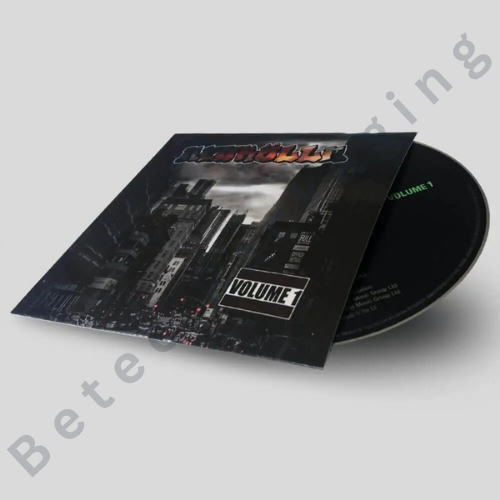
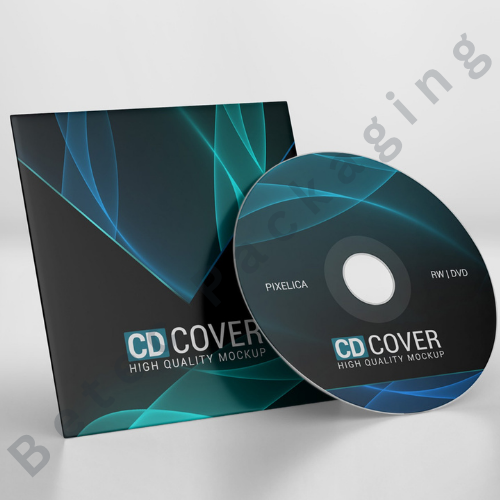
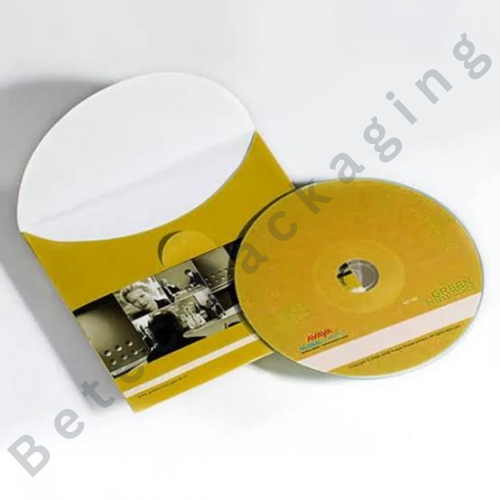
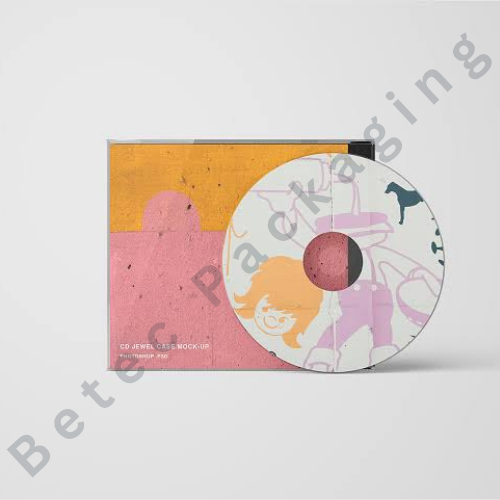
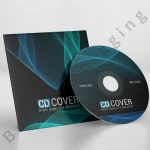
A two panel jacket is made from one sheet of paperboard folded once, which creates two panels. One side carries the front cover and the other the back, and the fold forms a pocket or opening that cradles a single disc. A standard CD or DVD is about 120 millimeters (4.72 inches) across, so the jacket is cut around that size with a little clearance so the disc slides in and out without scraping.
Planning Artwork Around the Fold
Treat the jacket as a small poster with one hinge. Place the title, artist or brand name, and key imagery on the front panel, and keep logos and small text away from the fold line, where print can wrap or crack. The back panel suits track listings, credits, contact details, barcodes, and legal text. Because there are only two panels, simple layouts with strong typography tend to look best.
Material and Print Choices
Coated paperboard gives sharp color and a smooth finish, which suits photography and bold graphics. Kraft paperboard gives an earthy, handmade look that pairs well with minimalist designs and one or two ink colors. CMYK printing covers full-color artwork, and PMS matching keeps brand colors consistent across a series of releases. Matte or gloss coating protects the surface, and spot UV, foil, or embossing can highlight a title or logo.
Optional Details
A thumb notch makes the disc easier to remove. A die-cut window can reveal the disc or a piece of artwork. A small tuck or tab can help keep the disc from falling out when the jacket is carried loosely. These details are easy to add at the design stage.
Two Panel, Four Panel, or Six Panel?
Two panel jackets suit single-disc releases with little extra content. If you need space for a booklet or lyrics, a four panel jacket offers a fold-out layout. Larger releases, such as double albums or box sets, may need six panels. Choosing the right panel count at the start avoids redesign later.
Practical Uses
Independent album releases, demo discs, software and driver discs, product manuals on disc, training or course material, event giveaways, and promotional mailers all work well. The slim profile adds little weight, which helps with postage.
Shipping and Handling Tips
A paperboard jacket is light but not rigid, so a loose jacket in a plain envelope can bend. For mailing, use a stiff mailer or a cardboard sleeve around the jacket, and keep the disc seated in its pocket. If you sell at events, a clear outer sleeve protects the print from fingerprints and table scuffs. For retail, add a barcode and price area on the back panel so stores can scan and shelve the release easily.
A Note on Sustainability
Paperboard and kraft are recyclable in many areas, and a jacket uses far less material than a plastic jewel case. If sustainability is part of your brand story, choose uncoated or lightly coated board and water-based inks, and mention it on the back panel.
Why Choose Betec Packaging
Betec Packaging builds the pocket to fit a standard disc, checks artwork placement on a digital proof, and provides free design support so titles and logos sit correctly around the fold. We handle both small runs for independent artists and larger quantities for companies.
Request a free quote and let us package your disc in a sleeve that looks as good as what is inside.
Reviews
There are no reviews yet.