Description
Design From the Shelf Backward
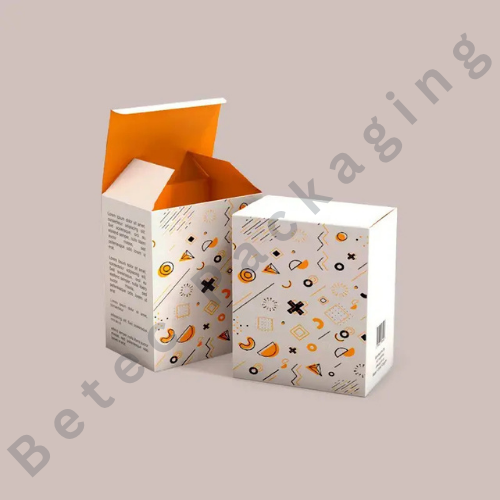
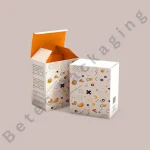
Most tuck end boxes are judged in a few seconds, standing on a shelf next to competitors. That is why the best ones are designed from the front panel backward. The straight tuck end style places the top and bottom flaps on the same side, so the front, back, and sides stay clean and uncluttered. Your logo, product name, and key benefit can sit where shoppers look first, without a flap line cutting through the artwork.
How the Closure Works
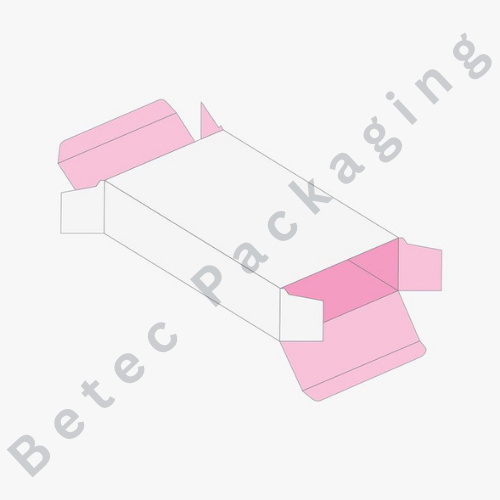
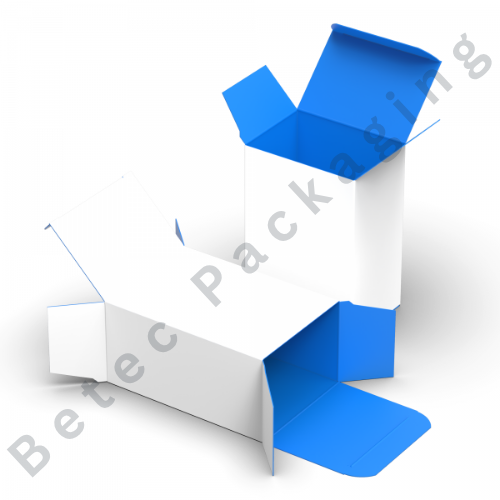
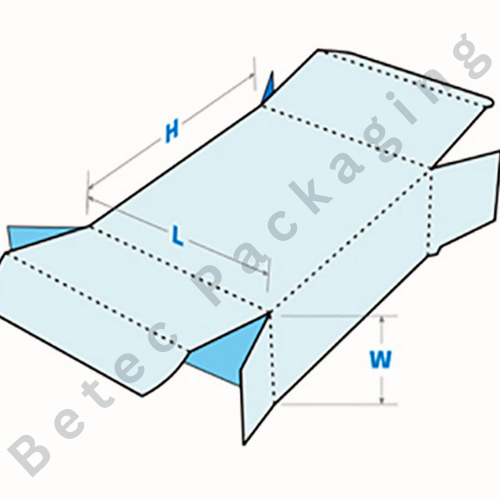
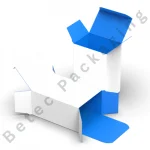
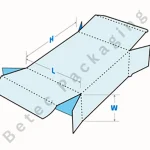
The box arrives flat from the printer. You fold it into a tube, close the bottom by tucking a flap into the opening, fill the box, and close the top the same way. A small dust flap on each end helps keep the closure neat. Because no tape or glue is needed at the point of packing, tuck end boxes suit hand packing, small businesses, and products that customers will open and reclose.
Straight Tuck or Reverse Tuck
In a reverse tuck end box the flaps tuck in from opposite directions. That layout uses board efficiently and suits machine packing lines, but it puts a flap line on the front. If display appearance matters most, choose straight tuck. If cost and automation matter most, a reverse tuck may be the better fit. Ask for a quick comparison on a dieline.
Tuck Tolerance Is Everything
A tuck that is too loose pops open in transit. A tuck that is too tight tears or fights the person packing. The right tolerance depends on board thickness and product weight, and it is a detail worth testing on a sample before a large order. We check tuck fit on a proof so flaps close firmly without damage.
Materials and Weight Range
Paperboard suits most retail goods and prints sharply. Kraft gives a natural look. E-flute corrugated adds strength for heavier items. Tuck end boxes work best for light to medium products. If your item is heavier, such as a full glass jar or a dense supplement bottle, an auto-lock bottom gives a stronger base.
Printing, Windows, and Hang Tabs
CMYK printing and PMS color matching carry brand colors. Matte and gloss coatings, foil stamping, embossing, and spot UV create contrast. A die-cut window shows the product, and a hang tab lets the carton display on a peg. Interior printing can add a small branded surprise when the box opens.
What Fits Well
Cosmetics, skincare, soaps, supplements, over-the-counter products, small toys, tea, and accessories all suit tuck end boxes. They are also common for sample sizes and promotional kits because they are economical in volume and ship flat to save storage space.
Ordering Tips That Save Time
Measure the product, not the old box. Give the length, width, and height of the item itself, and note whether it has a cap, a pump, or anything that sticks out. Decide how many units you need now and how many you expect to reorder, since larger runs lower the unit cost. Ask for a digital proof and, for a new design, a sample. Finally, think about the next step: if the box will be packed by hand, a simple tuck is ideal, and if you plan to move to machine packing later, mention it so the dieline can be built with that in mind.
Why Choose Betec Packaging
Betec Packaging offers free design support, digital proofs, and a clear recommendation on straight or reverse tuck based on your product, your display, and your packing method. Orders scale from small launches to larger bulk packaging runs.
Request a free quote and let us build tuck end boxes that look sharp on the shelf and close securely in the hand.
Reviews
There are no reviews yet.