Description
Why Glue the Ends?
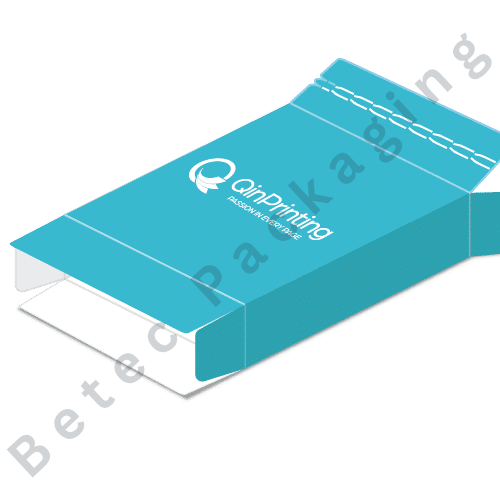
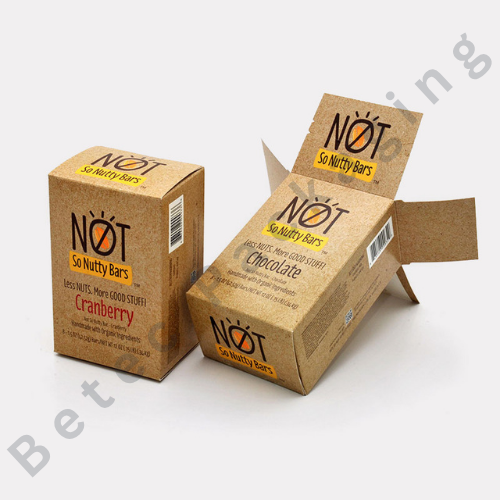
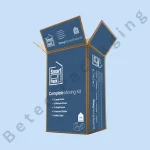
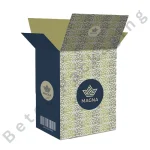
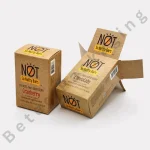
At first glance, a seal end box looks like any other folding carton. The difference shows up when you try to open it. The top and bottom flaps are glued shut after the product goes in, which makes the closure firm, flat, and resistant to popping open. For products that must arrive sealed and stay sealed, that simple glue line makes a big difference.
How the Process Works
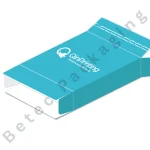
The carton arrives flat from the printer. At the packing line, it is erected into a tube, the bottom flaps are folded and glued, the product is loaded, and the top flaps are folded and glued. Many packing lines do this automatically, which is one reason seal end boxes are common in food and consumer goods manufacturing. Smaller businesses can also seal by hand with the right adhesive.
Security and Evidence of Opening
Because the flaps are glued, opening the box usually tears the board or breaks the glue line. That gives a visible sign that the carton has been opened, which many buyers appreciate. It is not a replacement for formal tamper-evident features where regulations require them, but it adds a simple layer of confidence for the customer.
A Clean, Flat Surface
With the flaps glued down, the top and bottom surfaces of a seal end box are flat and smooth. That makes them ideal for printing, stacking, and display. Cartons stack neatly on pallets and shelves, and flat ends hold labels and barcodes cleanly.
Good for Counter Display
Seal end boxes are often used for counter display cartons, where the box is opened along a perforation or tear strip to reveal product. The sealed construction keeps contents safe until the display is set out, and the printed panels double as marketing space.
Where Seal End Boxes Are Used
Packaged foods such as cereal, pasta, tea, and snacks, hardware and small parts, household goods, and supplements all use this style. The format suits light to medium products. For heavier products, consider adding an auto-lock bottom for a stronger base.
Materials and Printing
Paperboard is the standard material for seal end boxes, chosen for its clean fold and printability. Food-safe materials and coatings are available for edible products. CMYK printing and PMS color matching carry brand colors across every panel, and varnish, foil, or spot UV can add detail. A window can show the product when appropriate.
Ordering Considerations
Decide how the carton will be filled and sealed before design. Machine lines need precise flap geometry and glue areas. Hand packing allows more flexibility. Share your fill method so the dieline is built to match. Also consider the weight of the product, since heavier items may need stronger board or a different base style.
Seal End or Tuck End?
The choice comes down to security, speed, and reuse. A tuck end box is quick to close and easy to reopen, which suits products customers will open more than once. A seal end box is firmer and shows evidence of opening, which suits products that should arrive sealed and be used once. Seal end cartons also stack more cleanly because the ends are glued flat. If your product is sold on a retail shelf and you want a secure carton, seal end is often the better fit. If you need quick hand packing and an easy reclose, choose tuck end.
Why Choose Betec Packaging
Betec Packaging recommends glue flap geometry that suits your fill method, checks the design on a digital proof, and provides free design support from concept to approval. We support small runs and larger bulk packaging orders with consistent quality.
Request a free quote and let us build seal end boxes that arrive sealed, stay sealed, and look sharp on the shelf.
Reviews
There are no reviews yet.