

Description
Why Green Tea Is Chemically Harder to Package Than Black Tea
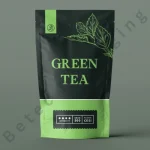
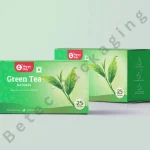
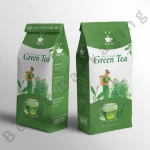
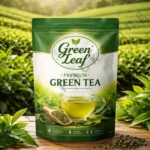
Green tea is, chemically speaking, one of the more demanding varieties to package well. Because the leaves are minimally oxidized during processing, green tea retains a higher concentration of delicate catechins and volatile aromatic compounds than black or oolong teas, and those same compounds that give green tea its prized fresh, grassy character also degrade faster under light, heat, and oxygen exposure. Betec Packaging designs green tea packaging around that specific chemical vulnerability rather than treating it identically to more stable tea categories.
Fighting Oxidation the Leaves Were Processed to Avoid
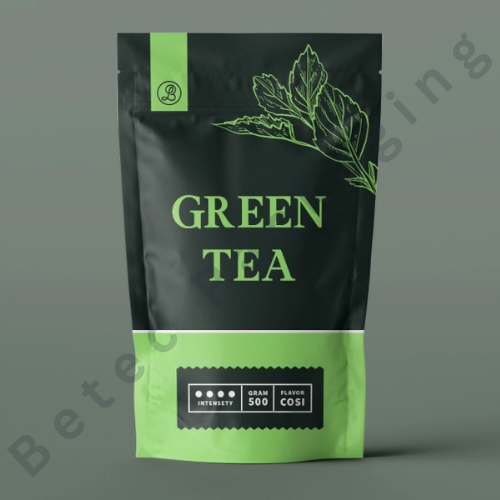
Oxygen exposure accelerates the oxidation process green tea’s minimal processing was specifically meant to avoid, which means barrier performance against air matters more here than for teas that have already undergone significant oxidation during production. Mylar pouches with a genuine metallized barrier layer address this directly, creating a near-complete seal against the oxygen that would otherwise continue breaking down catechins after the tea leaves the factory.
Protecting Color as Well as Flavor
Light sensitivity runs particularly high in green tea and matcha specifically, since chlorophyll, the compound responsible for green tea’s characteristic color, is itself light-reactive and degrades visibly under prolonged exposure, turning a vibrant green tea dull and yellowed well before its flavor has actually expired. Opaque tins and UV-blocking pouch materials protect against that visible degradation as much as the underlying flavor loss.
Why Matcha Needs Even More Protection Than Whole Leaf
Matcha in particular, a fine stone-ground powder rather than whole leaves, presents an even more concentrated version of these same vulnerabilities, since its powdered form exposes more total surface area to air and light than whole or cut leaf tea does. Betec Packaging treats matcha packaging with correspondingly higher barrier standards, often recommending tin canisters or high-barrier pouches over lighter paper-based alternatives for this specific product.
Accounting for Refrigeration and Condensation
Refrigeration is common practice for green tea and matcha among serious buyers, and packaging needs to handle the condensation risk that comes with moving a cold container into a warmer room environment. Moisture-resistant interior linings help manage that transition without introducing dampness that would otherwise compromise the tea inside.
Building Trust With an Educated Buyer Base
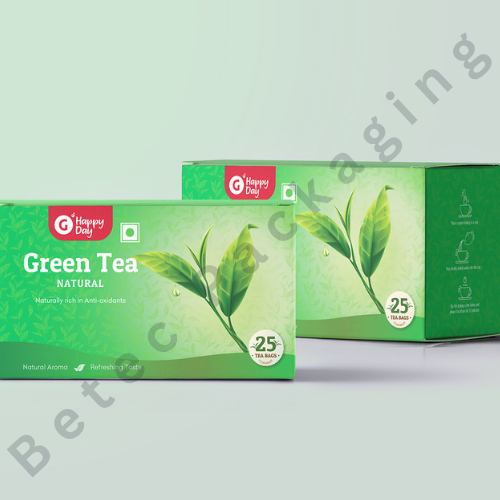
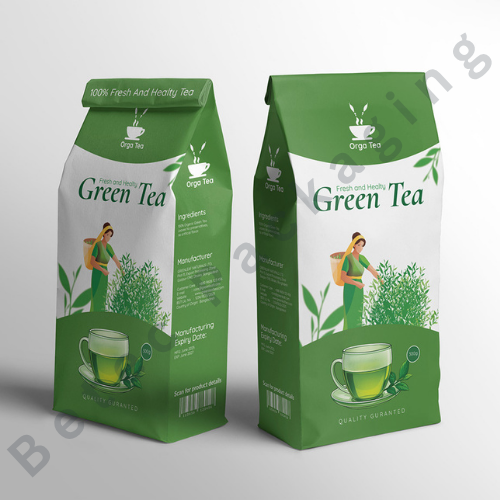
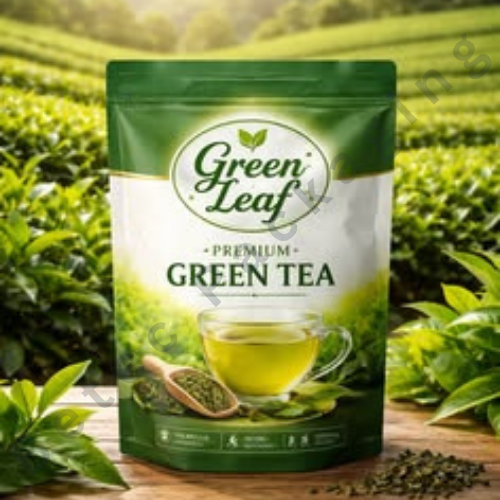
Because green tea buyers are frequently more educated about these freshness factors than average tea consumers, packaging that visibly communicates barrier quality, whether through an opaque tin, a resealable high-barrier pouch, or clear harvest date labeling, tends to build more trust in this category than in tea categories where buyers are less attuned to these details.
Design That Matches the Minimalist Green Tea Aesthetic
CMYK printing and PMS matching support the clean, often minimalist design language common in premium green tea and matcha branding, while still leaving room for harvest origin and processing details that this particular buyer base actively looks for.
Request a free quote and let Betec Packaging help your green tea hold onto the freshness that makes it worth drinking in the first place.
Reviews
There are no reviews yet.