
The beauty industry is constantly evolving, and modern consumers are becoming more conscious of the environmental impact of the products they purchase. From skincare and makeup to perfumes and personal care products, customers are increasingly looking for brands that combine quality, attractive presentation, and environmental responsibility. As sustainability becomes an important part of purchasing decisions, packaging has emerged as one of the areas where beauty brands can make meaningful improvements.
Cardboard Cosmetic Packaging is becoming a popular solution for businesses that want to reduce their reliance on conventional plastic packaging while maintaining an attractive and professional product presentation. Cardboard offers flexibility, customization opportunities, and practical protection for a wide variety of cosmetic products. It also provides brands with an opportunity to communicate their environmental values through packaging design.
Whether a company sells luxury skincare products, organic beauty essentials, handmade soaps, or premium makeup collections, cardboard packaging can help create a memorable customer experience. Its natural appearance and versatile printing options make it suitable for both minimalist and sophisticated branding styles.
For beauty businesses looking to improve their packaging strategies, Betec Packaging offers an opportunity to explore customized packaging solutions that support product presentation, brand identity, and practical packaging requirements.
1. Why Sustainability Matters in the Beauty Industry
Sustainability has become an important consideration for modern beauty brands. Consumers are paying closer attention to ingredients, manufacturing practices, packaging materials, and the overall environmental impact of the products they purchase.
Traditional cosmetic packaging frequently uses multiple materials, including plastic containers, laminated cartons, metal components, and decorative packaging elements. Although these materials can serve important functions, unnecessary packaging and difficult-to-recycle combinations may create waste management challenges.
Beauty brands are therefore exploring alternative materials that can support more responsible packaging decisions.
Cardboard is one option because it can often be sourced from renewable wood-based materials and may be recyclable through suitable local collection systems. When responsibly sourced and appropriately manufactured, it can become part of a more sustainable packaging strategy.
However, choosing cardboard alone does not automatically make a product environmentally friendly. Brands should also consider recycled content, responsible sourcing, coatings, adhesives, printing materials, transportation, and local recycling facilities.
By evaluating the complete packaging lifecycle, beauty businesses can make more informed decisions and develop packaging that supports their sustainability objectives.
2. What Is Cardboard Cosmetic Packaging?
Cardboard cosmetic packaging refers to packaging products manufactured using paperboard or cardboard materials to store, protect, and present beauty and personal care products.
These packaging solutions are available in different shapes, sizes, thicknesses, and finishes. Businesses can customize them according to product dimensions, branding requirements, and protection needs.
Common examples include:
- Skincare product boxes
- Foundation and makeup packaging
- Lipstick and lip gloss boxes
- Perfume and fragrance cartons
- Face cream and lotion boxes
- Serum and essential oil packaging
- Soap and beauty bar boxes
- Cosmetic gift and subscription boxes
- Haircare and personal care packaging
Cardboard packaging can be designed for individual products or complete beauty collections. Brands can also use custom inserts and dividers to keep products organized and improve their presentation.
Its adaptability makes it suitable for startups, independent beauty businesses, established cosmetic manufacturers, and luxury skincare companies.
3. Environmental Benefits of Cardboard Cosmetic Packaging
One of the main reasons businesses consider cardboard packaging is its potential environmental advantages compared with certain conventional packaging alternatives.
Renewable Material Options
Many paperboard materials are manufactured using wood fibers obtained from trees. When these materials come from responsibly managed forests or verified recycled sources, they can contribute to more responsible resource use.
Beauty brands can investigate certified sourcing options and recycled-content materials when selecting packaging suppliers.
Recyclability
Uncoated paperboard and cardboard are widely accepted in many recycling systems. This gives consumers an opportunity to recycle packaging after use, provided the material is clean and accepted by their local recycling facilities.
However, cosmetic packaging sometimes includes plastic windows, foil layers, heavy coatings, or other materials that can make recycling more difficult.
Brands should prioritize packaging designs that avoid unnecessary mixed materials wherever practical.
Reduced Dependence on Conventional Plastic
Cardboard can replace some plastic components in secondary cosmetic packaging, such as outer cartons, product sleeves, gift boxes, and shipping packaging.
For example, a beauty company might use a glass serum bottle protected inside a customized cardboard box instead of adding unnecessary plastic outer packaging.
This approach can reduce plastic use without compromising the essential product container.
Potentially Lower Packaging Weight
Depending on the design and materials used, cardboard packaging can be lightweight compared with certain rigid alternatives. Lighter packaging may help businesses optimize shipping and storage requirements.
The actual environmental benefit depends on packaging dimensions, material composition, production processes, and transportation distances.
4. How Cardboard Packaging Enhances Beauty Brand Identity
Packaging is often the first physical interaction customers have with a beauty product. Before trying a moisturizer, opening a perfume, or applying a lipstick, customers usually notice the packaging.
An attractive package can communicate quality, professionalism, and brand personality.
Cardboard Cosmetic Packaging gives businesses considerable freedom to develop distinctive packaging designs that reflect their brand identity.
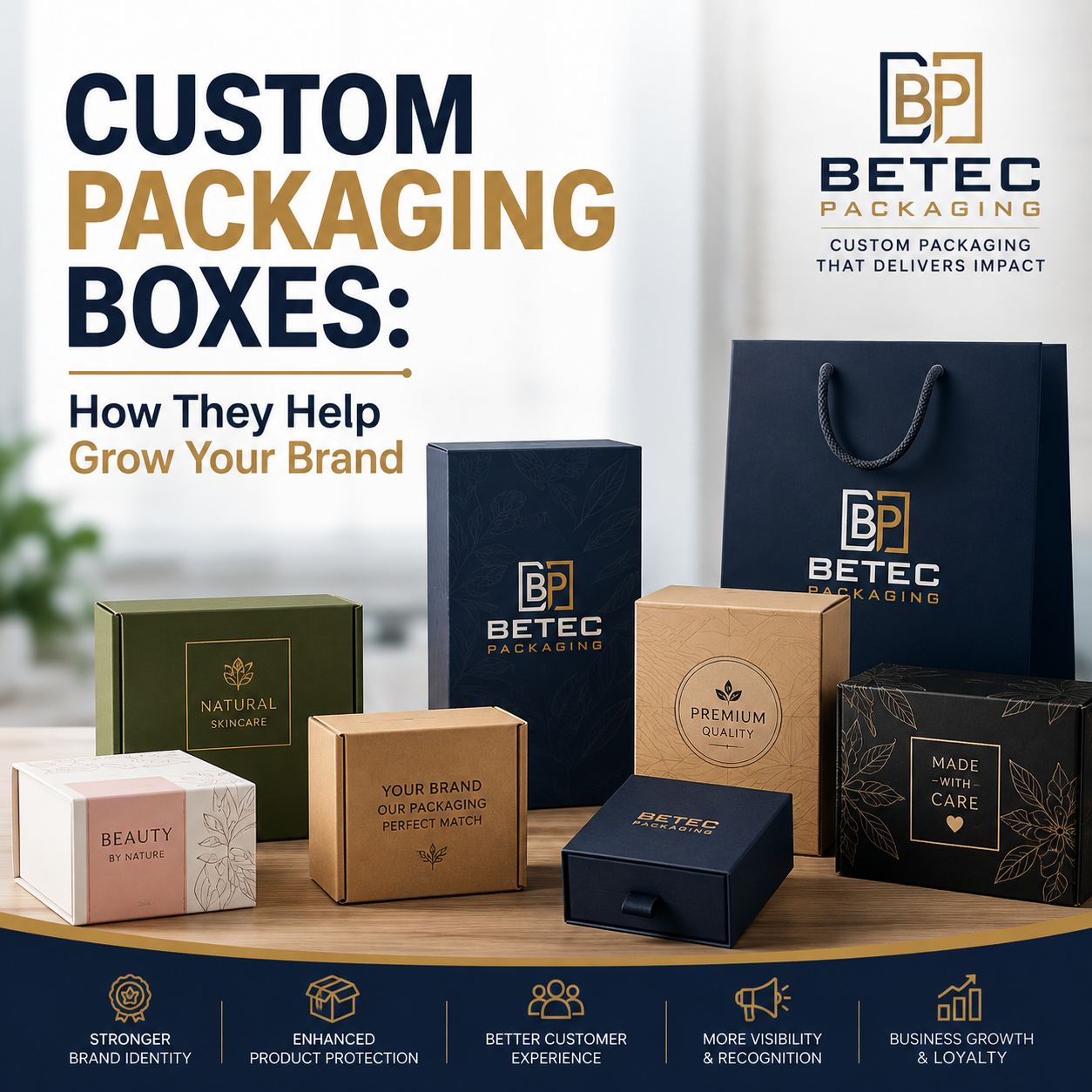
For example, an organic skincare company may choose natural kraft cardboard with simple typography and earthy colors. A luxury makeup brand may prefer a premium black box with metallic accents and an elegant logo.
A minimalist beauty brand might use white cardboard with subtle printing to communicate simplicity and sophistication.
These design choices help businesses create a consistent visual identity across different product categories.
Packaging also gives brands an opportunity to communicate important information, including product ingredients, usage instructions, manufacturing details, and sustainability commitments.
When these elements are presented clearly, packaging becomes more than a protective container. It becomes an important part of the brand’s marketing strategy.
5. Popular Types of Cardboard Cosmetic Packaging
Different beauty products require different packaging structures. Fortunately, cardboard can be manufactured in various styles to accommodate different product shapes and sizes.
Custom Skincare Boxes
Skincare products such as moisturizers, facial cleansers, toners, and serums often require attractive outer packaging. Custom cardboard skincare boxes provide space for product information, branding, and protective inserts.
Brands can choose different dimensions and structural designs depending on whether they are packaging a small serum bottle or a larger skincare collection.
Makeup and Cosmetic Boxes
Makeup packaging needs to be visually appealing because customers often associate presentation with product quality. Cardboard boxes can accommodate foundations, lipsticks, eyeliners, mascaras, and eyeshadow palettes.
Custom printing allows beauty businesses to use attractive colors, patterns, and brand graphics that make their products recognizable.
Perfume and Fragrance Boxes
Perfume packaging requires a combination of elegance and protection. Glass fragrance bottles can be fragile, making suitable inserts and sturdy packaging important.
Rigid cardboard boxes and customized folding cartons can provide a premium appearance while helping secure perfume bottles during storage and transportation.
Organic Beauty Product Boxes
Brands that specialize in organic skincare, handmade soaps, and botanical beauty products often prefer natural-looking packaging.
Kraft cardboard provides a simple, earthy appearance that can complement botanical illustrations, green color palettes, and minimalist branding.
Cosmetic Gift Boxes
Gift packaging is another important application. Beauty gift boxes can hold multiple products, including lotions, face masks, perfumes, soaps, and skincare accessories.
Custom dividers and inserts help organize the products, while attractive exterior designs improve the unboxing experience.
6. Customization Options for Modern Cosmetic Brands
One of the biggest advantages of cardboard packaging is its customization potential. Beauty businesses can create packaging that matches their brand personality, target audience, and product positioning.
Here are some popular customization options.
Custom Shapes and Sizes
Every cosmetic product has different dimensions and packaging requirements. Custom cardboard boxes can be manufactured to accommodate individual products without leaving excessive empty space.
Proper sizing can improve product stability, reduce unnecessary material use, and make storage and transportation more efficient.
High-Quality Printing
Printing plays an important role in cosmetic packaging. Businesses can incorporate brand logos, product names, instructions, ingredient information, and attractive graphics.
Digital printing is useful for smaller production runs and design variations, while offset printing can be suitable for larger quantities.
Premium Finishing Options
Beauty brands can enhance their packaging with different finishing techniques, including:
- Matte finishing for a sophisticated appearance.
- Gloss finishing for a vibrant visual effect.
- Embossing for raised design elements.
- Debossing for recessed branding details.
- Foil stamping for selected decorative accents.
- Spot UV for highlighting specific design areas.
Although these finishes can improve visual appeal, brands interested in recyclability should evaluate the materials and processes involved. Excessive coatings, laminations, and metallic elements may complicate recycling.
Customized Inserts and Dividers
Inserts help keep cosmetic products securely positioned inside their boxes. They are especially useful for glass bottles, makeup collections, and multi-product gift sets.
Paperboard inserts can be considered where they provide sufficient protection. The material should be selected according to the product’s weight, fragility, and transportation requirements.
7. The Importance of Product Protection
Sustainable packaging should not focus exclusively on appearance or material selection. It must also perform its primary function: protecting the product.
Cosmetic products can be sensitive to physical damage, leakage, contamination, and environmental exposure. Packaging requirements vary depending on the product formulation and container.
Cardboard outer boxes provide protection against scratches, handling damage, and certain external impacts. However, cardboard alone is not necessarily suitable for direct contact with every cosmetic formulation.
For example, a facial serum may require a sealed glass or plastic bottle to maintain product integrity, while the cardboard box provides additional protection and branding space.
Similarly, glass perfume bottles may require specially designed inserts to minimize movement during shipping.
Beauty companies should evaluate packaging performance through appropriate testing, including compression resistance, drop testing, and transportation simulations.
A well-designed packaging system balances protection, material efficiency, and customer convenience.
8. How Cardboard Packaging Creates a Better Unboxing Experience
Unboxing has become an important part of the modern shopping experience. Customers frequently share product purchases, reviews, and packaging experiences through social media platforms.
Attractive packaging can make a beauty product feel more special and memorable.
Cardboard boxes provide several opportunities to improve the unboxing experience.
First impressions: A professionally printed box creates a positive introduction to the product and communicates the brand’s visual identity.
Organized presentation: Custom inserts allow businesses to arrange products neatly, especially in skincare and makeup gift collections.
Personalized messages: Brands can print thank-you notes, product instructions, or short messages inside the packaging.
Consistent branding: Matching colors, typography, and logos across packaging materials create a recognizable brand experience.
Gift-ready presentation: Premium cardboard boxes can make cosmetic products suitable for birthdays, holidays, special occasions, and promotional campaigns.
A thoughtful unboxing experience can encourage customers to remember a brand and share their purchases with others.
9. Cardboard Cosmetic Packaging for Small and Large Beauty Businesses
Cardboard packaging is not limited to large cosmetic manufacturers. Businesses of different sizes can explore packaging solutions according to their production requirements and budgets.
Small Beauty Businesses
Independent beauty brands often need packaging that supports professional presentation without requiring unnecessarily complicated designs.
Small businesses can consider simple folding cartons, kraft boxes, and standard box structures with customized printing.
These options can help startups establish a consistent brand identity while managing packaging expenses.
Established Cosmetic Companies
Larger beauty manufacturers may require packaging for extensive product collections and high-volume distribution.
They can explore customized box dimensions, advanced printing techniques, protective inserts, and coordinated packaging designs.
For companies managing several product categories, consistent packaging specifications can also help simplify inventory and branding.
Luxury Beauty Brands
Luxury brands often focus on presentation, material quality, and distinctive packaging structures.
Rigid cardboard boxes, textured paper finishes, embossed logos, and carefully designed interiors can create a premium appearance.
The challenge is to combine luxury aesthetics with responsible material selection. A premium package does not necessarily need excessive layers or unnecessary decorative components.
10. How to Choose the Right Cardboard Material
Selecting the correct cardboard material is essential for creating functional cosmetic packaging.
Different materials offer different levels of thickness, strength, texture, and printability.
Kraft Paperboard
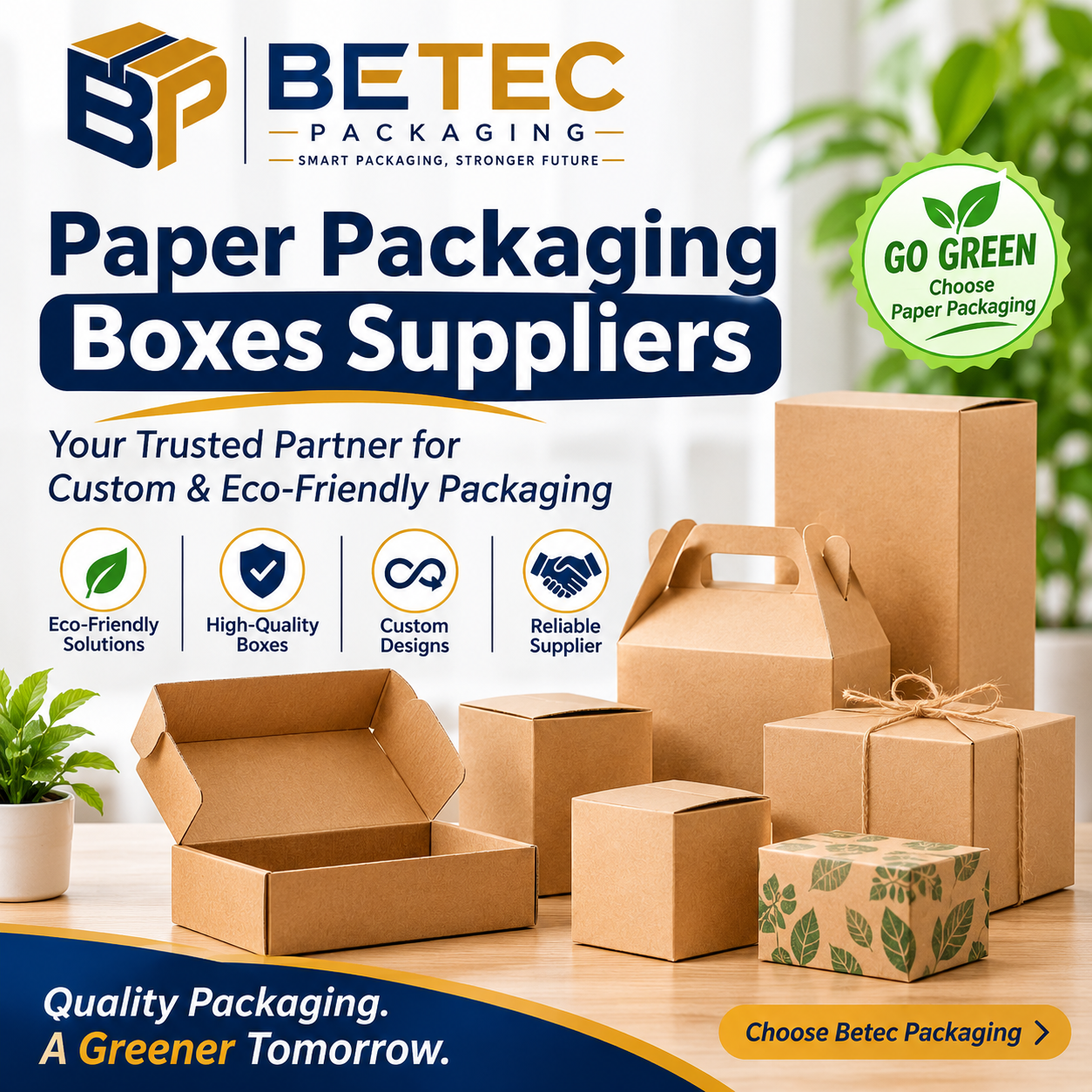
Kraft paperboard is commonly selected for packaging designs that emphasize a natural appearance. Its brown surface works particularly well for handmade soaps, organic skincare, and botanical beauty products.
Businesses should confirm whether the kraft material contains recycled fibers and whether its sourcing meets their requirements.
Solid Bleached Sulfate (SBS)
SBS is a high-quality paperboard with a smooth white surface. It supports detailed printing and is frequently used for premium retail cartons.
It can be suitable for makeup, skincare, and fragrance packaging where visual presentation is important.
Recycled Paperboard
Recycled paperboard is manufactured using recovered paper fibers. It can help businesses incorporate recycled materials into their packaging strategy.
Its appearance and structural properties may vary depending on the recycled fiber content and manufacturing process.
Corrugated Cardboard
Corrugated cardboard contains a fluted layer between linerboards. This structure provides cushioning and strength, making it useful for shipping cosmetic products and transporting larger packaging units.
For delicate cosmetic containers, corrugated packaging can provide additional protection during distribution.
The right material depends on the product’s weight, fragility, design requirements, and intended distribution environment.
11. The Role of Betec Packaging in Custom Cosmetic Packaging
Choosing the right packaging partner is an important step for beauty businesses that want to improve their product presentation.
Betec Packaging is a name businesses can explore when considering customized packaging solutions for different product categories.
Custom cosmetic packaging should reflect the unique identity of each beauty brand. A company selling organic skincare products may need natural-looking kraft boxes, while a luxury makeup business may prefer sophisticated packaging with premium printing and finishing.
When evaluating a packaging supplier, businesses should consider several factors:
- Material quality and available paperboard options.
- Custom dimensions and structural designs.
- Printing quality and color consistency.
- Protective inserts and internal packaging.
- Finishing options and their effect on recyclability.
- Production quantities and lead times.
- Packaging samples and quality control.
Working with a packaging provider that understands these requirements can help businesses develop packaging that meets their branding and functional objectives.
Betec Packaging can be considered as part of the search for customized packaging options that help beauty brands create attractive retail presentations and professional product packaging.
12. Cost-Effectiveness of Cardboard Cosmetic Packaging
Packaging costs are an important consideration for businesses operating in the competitive beauty industry. Companies must balance packaging quality, attractive design, and production expenses.
Cardboard packaging can offer flexibility in terms of material selection, box structure, printing, and production quantities.
For example, a small skincare business may choose a straightforward folding carton with one or two printed colors. A premium beauty company may invest in thicker paperboard, customized inserts, and decorative finishes.
Businesses can also manage costs by choosing appropriately sized packaging. Oversized boxes often require additional material and may increase transportation expenses.
Ordering packaging in suitable quantities can also help businesses manage inventory and production costs.
The most cost-effective solution is not necessarily the cheapest box. Packaging should provide sufficient protection, communicate brand value, and meet the expectations of the target customer.
13. Important Sustainability Considerations When Designing Cardboard Packaging
Although cardboard offers several environmental advantages, beauty brands should avoid assuming that every cardboard package is automatically sustainable.
The overall environmental performance depends on how the packaging is sourced, manufactured, designed, transported, and disposed of.
Here are some important considerations.
Use recycled materials: Explore paperboard options containing post-consumer or post-industrial recycled fibers where suitable.
Choose responsible sourcing: Look for credible certifications, such as Forest Stewardship Council (FSC) certification, when verifying forest-based material sourcing.
Avoid unnecessary coatings: Excessive plastic lamination, wax coatings, and certain barrier treatments may make paperboard more difficult to recycle.
Reduce packaging components: Avoid unnecessary plastic windows, decorative layers, and additional packaging elements whenever practical.
Use appropriate box dimensions: Design packaging around the actual product rather than using unnecessarily large boxes.
Communicate disposal instructions: Provide clear recycling information when the material composition and local recycling guidance support those claims.
These practices can help brands develop packaging that is more compatible with responsible material use and recycling systems.
14. Future Trends in Cardboard Cosmetic Packaging
The future of cosmetic packaging is likely to involve greater attention to material efficiency, recyclability, customization, and customer experience.
Several developments are influencing how beauty brands approach packaging design.
Minimalist Packaging Designs
Minimalism is becoming an important design direction for brands that want clean and recognizable product presentation.
Simple typography, limited color palettes, and natural paper textures can create an elegant appearance without requiring excessive decorative materials.
Recycled and Responsibly Sourced Materials
More beauty businesses are exploring recycled paperboard and responsibly sourced materials as part of their environmental strategies.
Brands may also investigate supplier certifications and material documentation to support their sustainability claims.
Personalized Packaging
Digital printing and flexible production technologies make it easier to create packaging variations for seasonal collections, promotional campaigns, and limited-edition beauty products.
Personalized packaging can help businesses connect with customers and create distinctive product experiences.
Improved Recyclability
Packaging designers are increasingly considering how materials will be separated and processed after use.
Reducing unnecessary laminations, selecting compatible inks and adhesives, and simplifying packaging structures can support better recyclability.
Premium Sustainable Presentation
Another important trend is the combination of luxury aesthetics with thoughtful material choices.
Beauty brands can achieve an elegant appearance through typography, structural design, subtle textures, and carefully selected finishes rather than relying entirely on complicated packaging components.
These developments indicate that sustainability and attractive packaging do not have to be competing priorities.
15. Challenges of Cardboard Cosmetic Packaging
Despite its advantages, cardboard packaging also has limitations that businesses should understand before making a packaging decision.
Moisture Sensitivity
Standard cardboard can absorb moisture and lose strength when exposed to wet conditions.
This can be a concern for cosmetic products stored in bathrooms or environments with high humidity.
Brands should evaluate appropriate moisture-resistant solutions while considering whether coatings or treatments affect recyclability.
Limited Direct Product Protection
Cardboard is generally used as secondary packaging rather than as the primary container for liquid cosmetic formulations.
Products such as lotions, serums, and perfumes still require suitable bottles, jars, tubes, or other containers.
Structural Requirements
Lightweight cardboard may not provide sufficient protection for heavy or fragile products.
Businesses should select suitable board thicknesses and structural designs and test the packaging under realistic handling and transportation conditions.
Recycling Limitations
Some cardboard packages contain plastic laminations, metallic layers, adhesives, and other materials that can complicate recycling.
The best approach is to discuss material composition with packaging suppliers and check compatibility with the recycling systems in the intended market.
Understanding these limitations allows beauty brands to choose packaging solutions that are both attractive and practical.
16. How Beauty Brands Can Make the Transition to Cardboard Packaging
Switching to cardboard packaging requires careful planning. Businesses should consider their existing packaging systems, product requirements, and long-term sustainability goals.
The following steps can help simplify the transition.
- Review existing packaging: Identify products that currently use unnecessary plastic outer packaging or excessive packaging components.
- Understand product requirements: Evaluate product dimensions, weight, fragility, storage conditions, and shipping requirements.
- Select suitable materials: Compare kraft paperboard, recycled board, SBS, and other available materials.
- Create customized designs: Develop packaging that communicates the brand identity while providing adequate product protection.
- Evaluate environmental claims: Verify recycled content, material sourcing, and recycling compatibility before making sustainability statements.
- Request packaging samples: Examine the appearance, printing, structural strength, and functionality before approving a large production order.
- Collect customer feedback: Monitor customer responses to the new packaging and identify opportunities for further improvements.
A gradual transition can help businesses introduce more responsible packaging without disrupting their existing product operations.
Conclusion
The beauty industry is entering an era in which product quality, attractive presentation, and environmental responsibility are increasingly connected. Customers want products that meet their expectations, and packaging plays an important role in shaping their purchasing experiences.
Cardboard Cosmetic Packaging offers modern beauty brands an adaptable solution for creating attractive, functional, and potentially more sustainable packaging. From skincare and makeup boxes to perfume cartons and cosmetic gift packaging, cardboard can support different product categories and branding strategies.
Its customization flexibility, printing opportunities, and potential recyclability make it an appealing option for businesses looking to reduce unnecessary plastic use and improve their packaging designs.
However, successful sustainable packaging requires more than simply choosing a cardboard material. Businesses should consider responsible sourcing, recycled content, appropriate box dimensions, protective performance, coatings, and end-of-life recycling options.
With thoughtful planning and suitable material choices, beauty brands can create packaging that supports their products while communicating their commitment to responsible business practices.
For companies exploring customized packaging solutions, Betec Packaging can be considered when developing packaging concepts that combine brand presentation, product protection, and practical design requirements.
Frequently Asked Questions (FAQs)
1. What is cardboard cosmetic packaging?
Cardboard cosmetic packaging refers to paperboard-based boxes and cartons used to package beauty products such as skincare items, makeup, perfumes, lotions, and personal care products.
2. Is cardboard cosmetic packaging environmentally friendly?
It can be a more environmentally responsible option when made with responsibly sourced or recycled fibers and designed for compatibility with available recycling systems. Coatings and mixed materials should also be considered.
3. Can cardboard packaging be customized for beauty products?
Yes. Businesses can customize cardboard packaging with different shapes, sizes, colors, printing techniques, finishes, and internal inserts.
4. Is cardboard suitable for luxury cosmetic packaging?
Yes. Premium paperboard, rigid box structures, embossing, foil details, and sophisticated printing can create an elegant presentation for luxury beauty products.
5. Can cardboard packaging protect fragile cosmetic products?
Yes. Properly designed cardboard boxes with suitable thicknesses and customized inserts can help protect fragile cosmetic containers during storage and transportation.
6. Why should beauty brands choose Betec Packaging?
Beauty brands can explore Betec Packaging when looking for customized packaging options that support product presentation, brand identity, and practical packaging requirements.
7. Is recycled cardboard suitable for cosmetic boxes?
Recycled cardboard can be suitable for many cosmetic packaging applications. Its strength, appearance, and printability should be evaluated according to the product’s specific requirements.
8. What cosmetic products can use cardboard packaging?
Skincare products, lipsticks, foundations, perfumes, facial creams, handmade soaps, haircare products, and beauty gift collections can all use customized cardboard packaging.
9. Does cardboard packaging reduce plastic consumption?
It can replace certain plastic outer packaging components, including sleeves, cartons, and gift boxes. However, some products may still require plastic or other materials for their primary containers.
10. What should businesses consider when ordering custom cardboard cosmetic packaging?
Businesses should consider material quality, box dimensions, printing, structural strength, customization options, recycled content, production quantities, and recycling compatibility.